
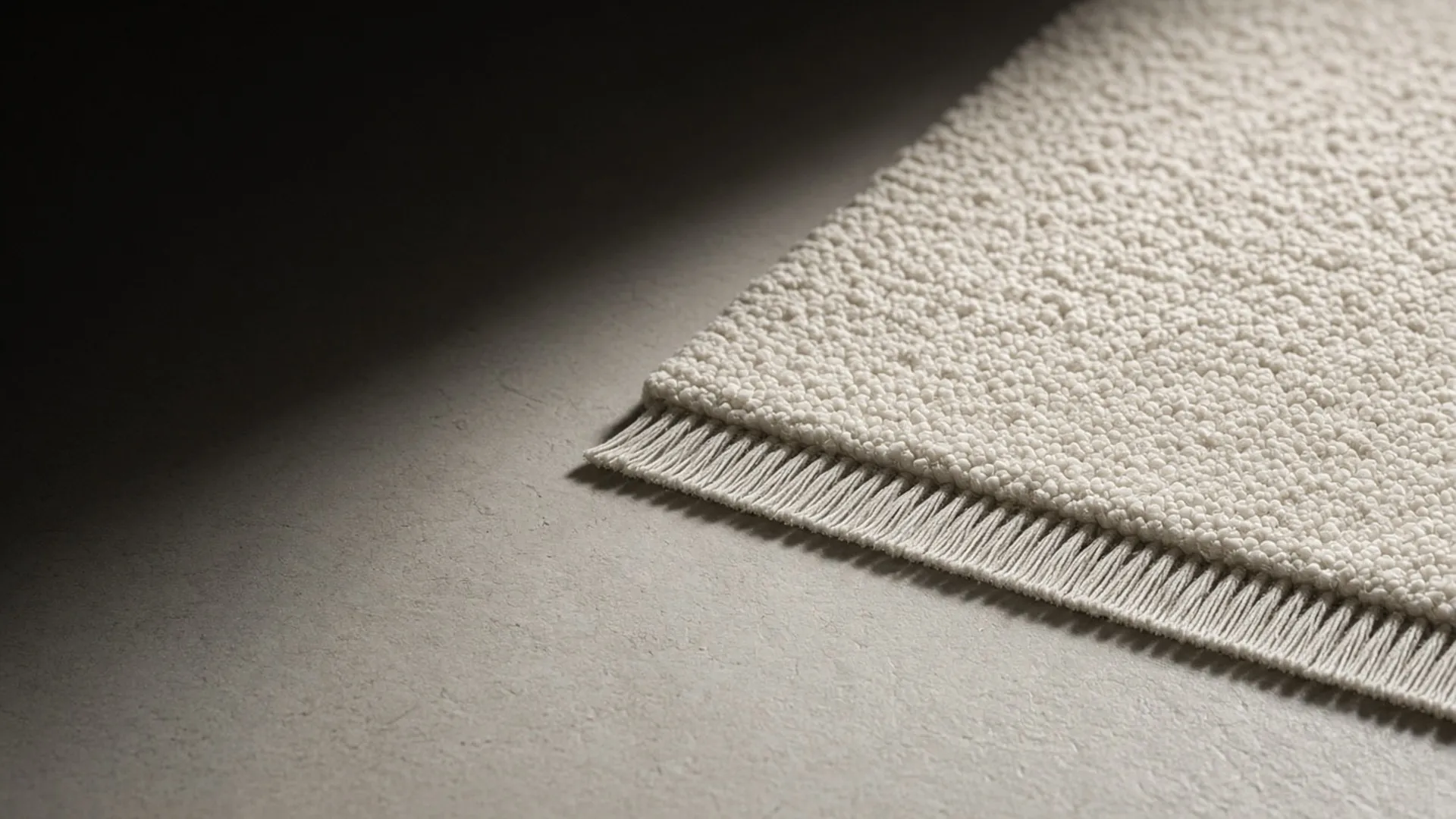
Construction
Hand-knotted, hand-tufted, flatweave, and machine-made rugs, and pile height.
Disclosure: We may earn a commission if you buy through links on this page. It does not change our guidance. Affiliate Disclosure
What does this topic cover?
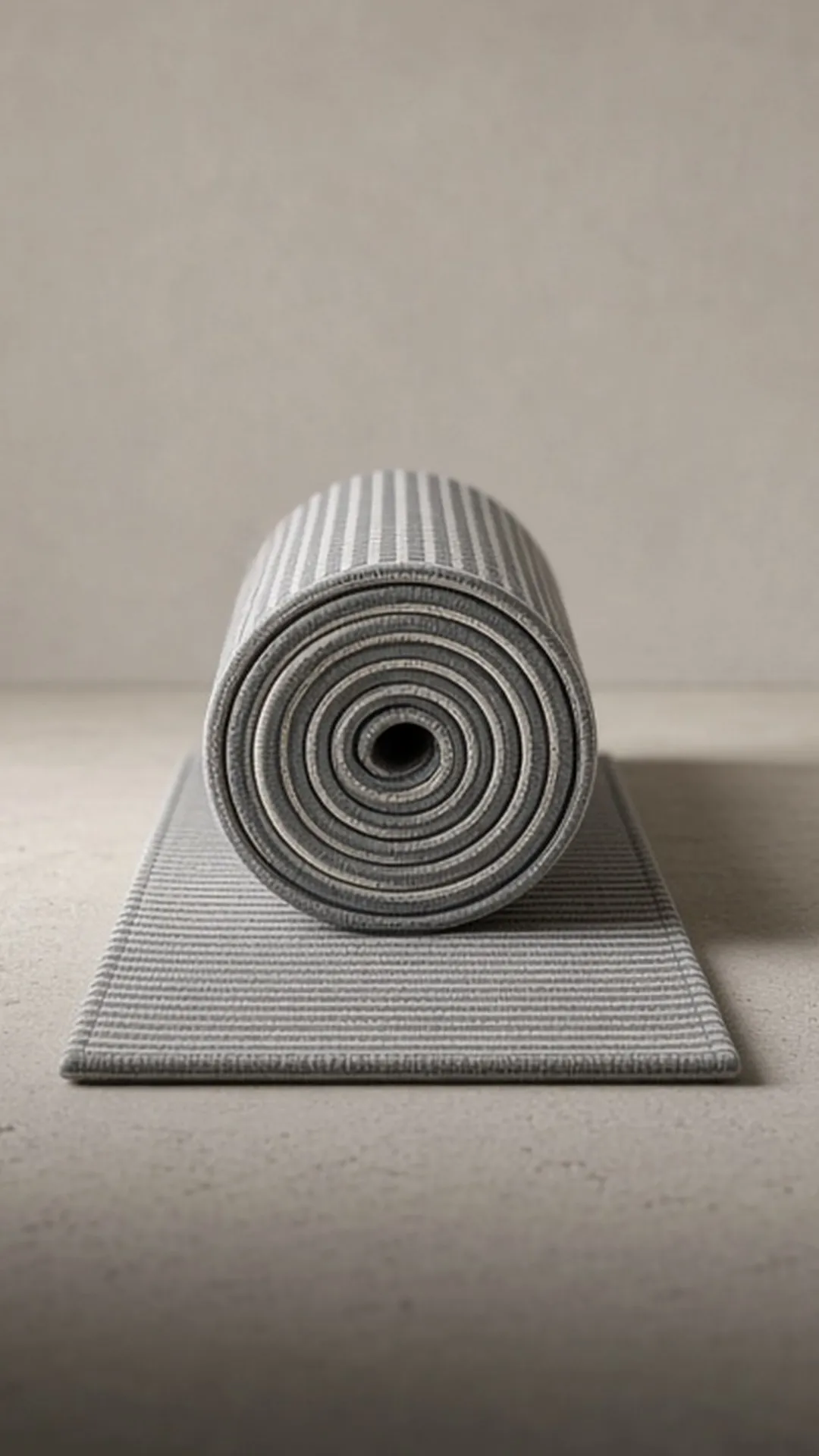
Construction covers how a rug is made: knotted, tufted, woven flat, or made by machine, and how tall its pile is. CCI says rugs "can be knotted, woven or hooked." Our guides explain each method in plain words, with the sources linked. They describe how a rug is built. They do not say which method is worth more or lasts longer, because we have no neutral source that answers that.
Which guide should you read first?
Start with the rug you have, or the word on its listing:
- Hand-knotted rugs, explained covers warps, wefts, and knots, and how knot density is counted, from Encyclopaedia Iranica.
- Hand-tufted rugs, explained covers pile set into a backing, and how tufting grew into an industry.
- Flatweave rugs, explained covers kilims and other rugs with no pile.
- Machine-made rugs, explained covers power looms, Jacquard looms, and tufting machines.
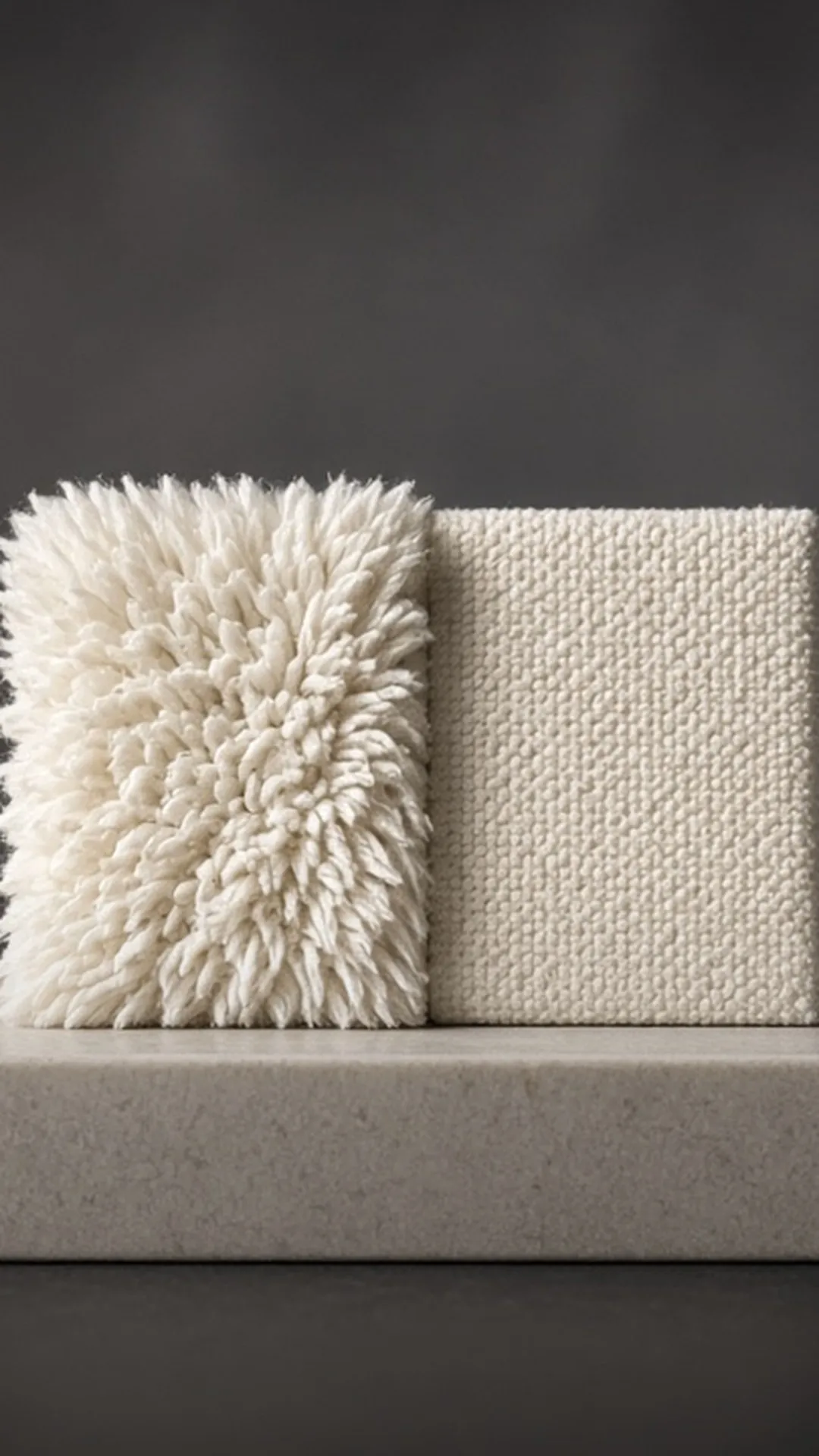
- Rug pile height and shag, explained covers what high pile, low pile, and shag mean.
Why does construction matter for care?
Pile has a direction, and CCI says: "Always vacuum in the direction of the pile." Backing matters too. The FTC lists the backings of carpets or rugs among the items its Textile Act labeling does not cover, so a label may describe only the face fibers. Our care guides start from there.
Is construction the same as style?
No. How a rug is made and how it looks are separate questions. A contemporary design can be knotted, tufted, or woven flat, and our style guides cover the design words.
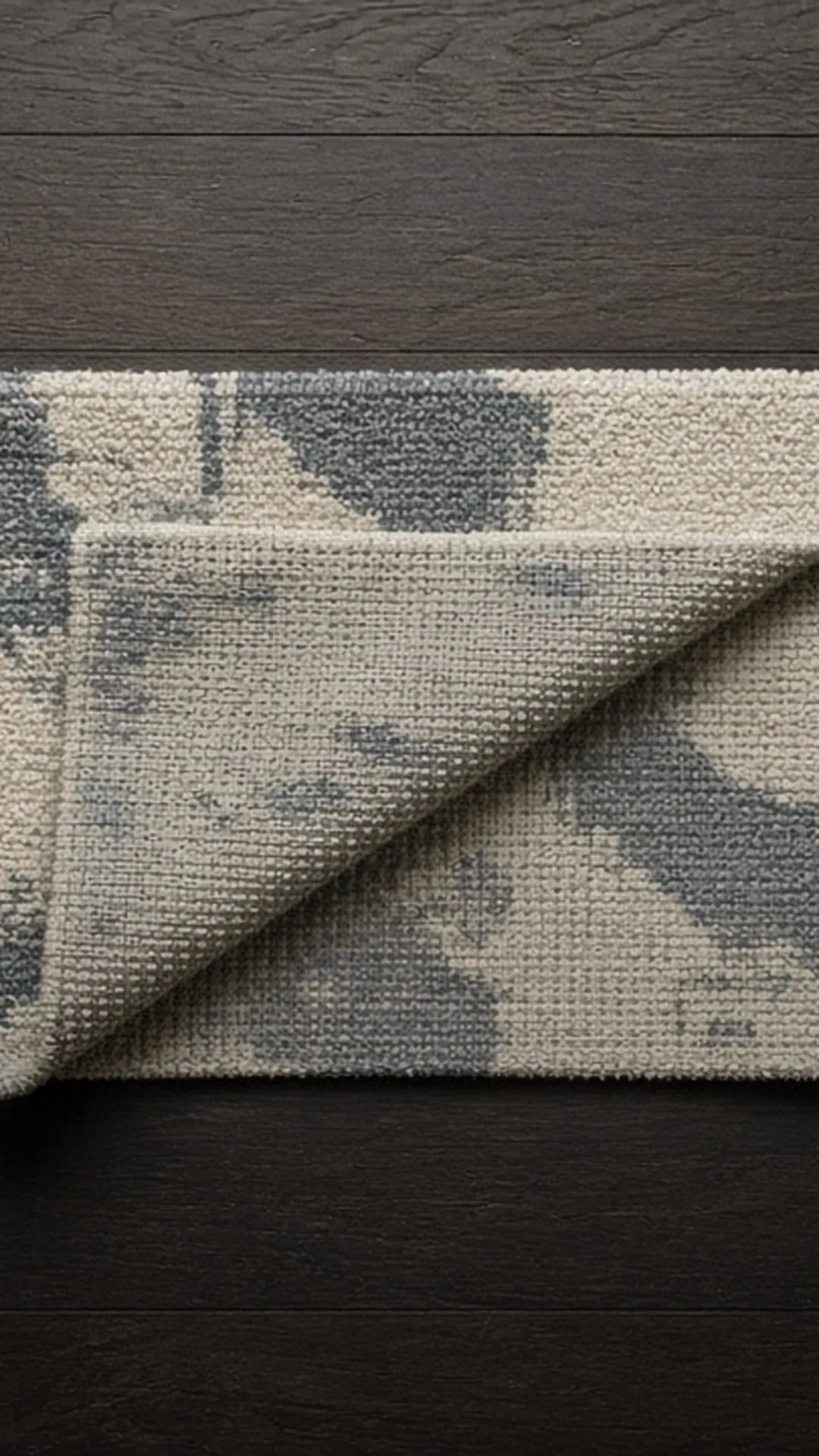
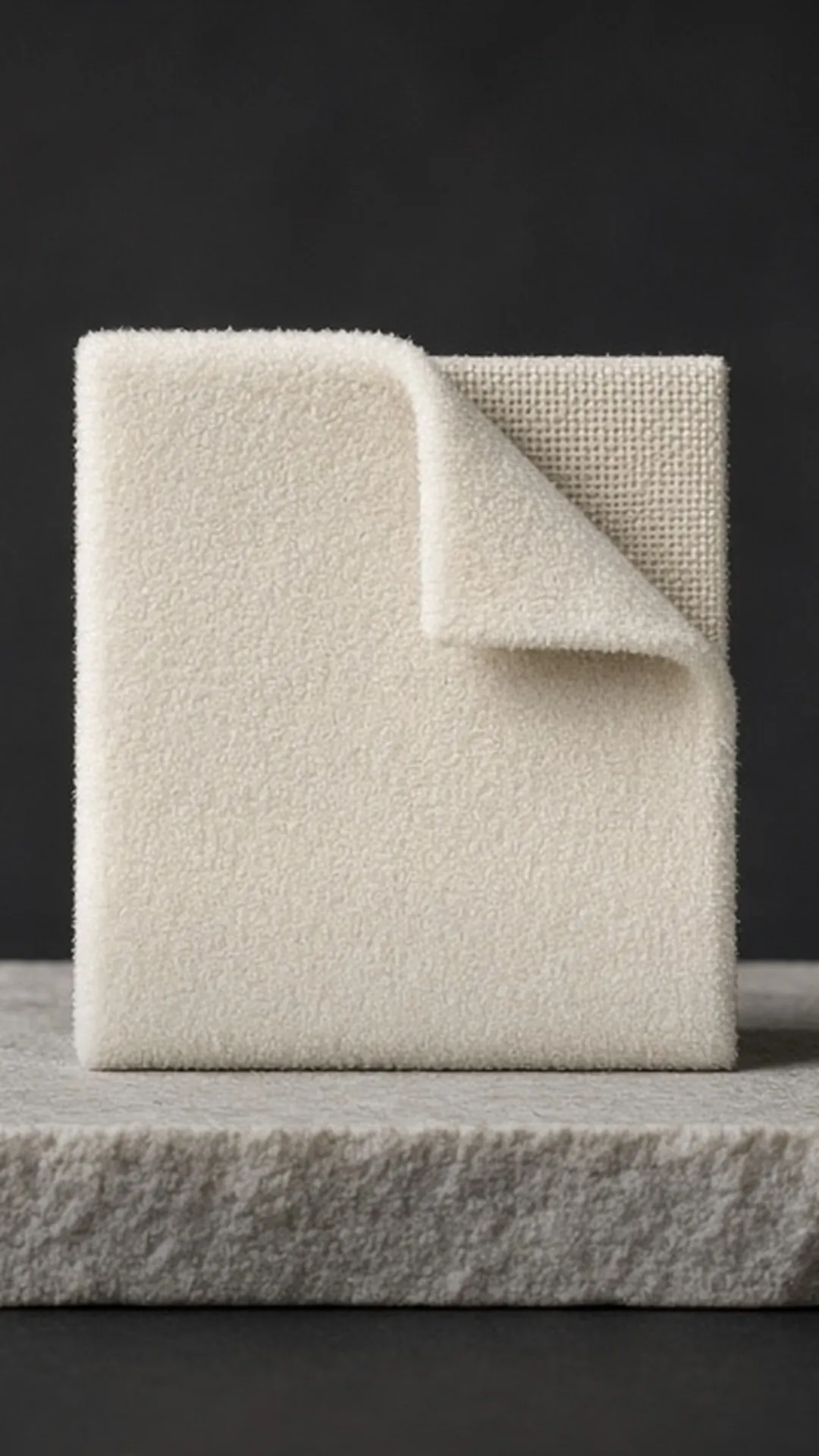
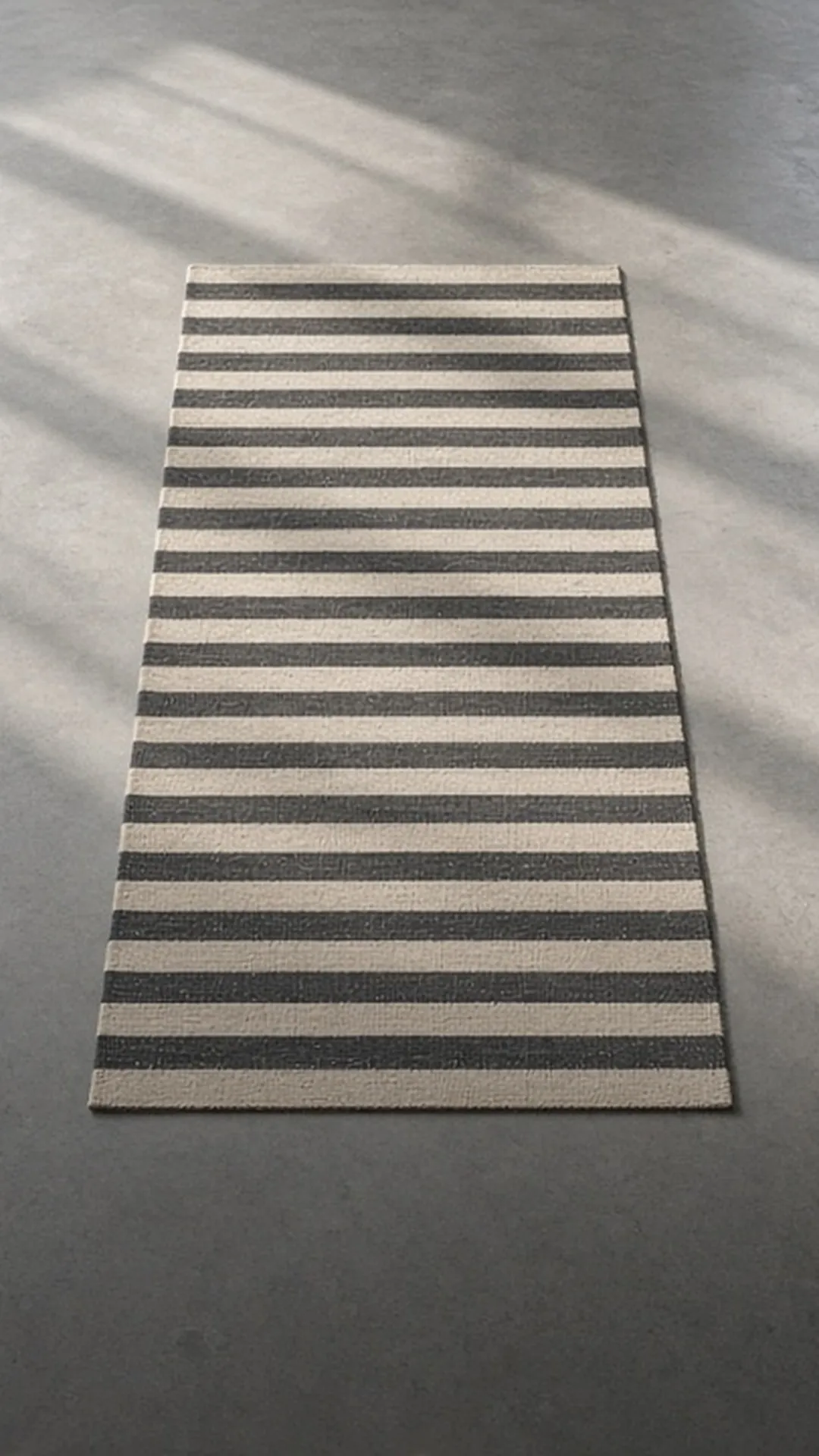
FAQ
Start with hand-knotted rugs
Warps, wefts, and knots.
