
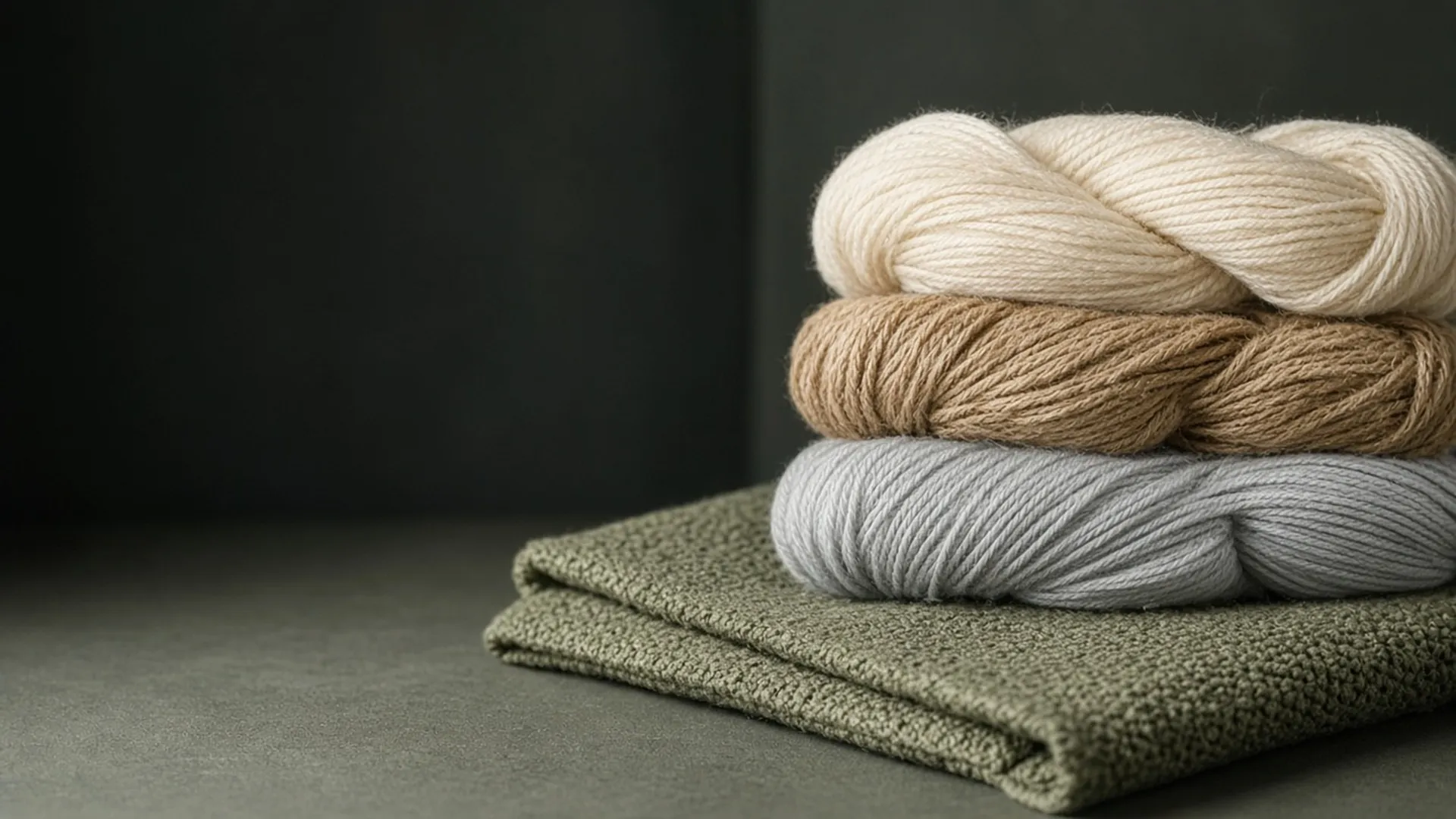
Fibers and labels
Wool, synthetics, plant fibers, and what a rug label tells you.
Disclosure: We may earn a commission if you buy through links on this page. It does not change our guidance. Affiliate Disclosure
What does this topic cover?
Fibers and labels covers what a rug is made of and what its label must say. The FTC says textile labels list fiber content, where the item was made, and who made it or another business responsible for it. Our guides explain wool, synthetic fibers, and plant fibers such as jute and sisal, and how each is named.
Which guide should you read first?
Start with the label in your hand:
- To read the label itself, start with rug labels, explained.
- For wool, read wool rugs, explained, then how to clean a wool rug.
- For nylon, polyester, polypropylene, or viscose, read synthetic rugs, explained.
- For jute or sisal, read natural fiber rugs, explained, then how to clean a jute rug.
Why does the label come first?
The fiber decides which care guide applies, and the label is where to confirm it. The FTC says fibers are listed by percentage of weight, in order of predominance, so a label can show a blend. Care instructions are a separate matter, and they come from the maker.
What do we not claim?
We do not say one fiber is better than another. We make no fire or health claims for any fiber, and we name no brands. Where a source describes a fiber, we say which source it is. Where no neutral source covers a question, such as how a fiber holds up in a given room, we say so and leave it open. The label and the maker's instructions stay the first place to look.
FAQ
Start with wool rugs
Label, light, and moths.
