
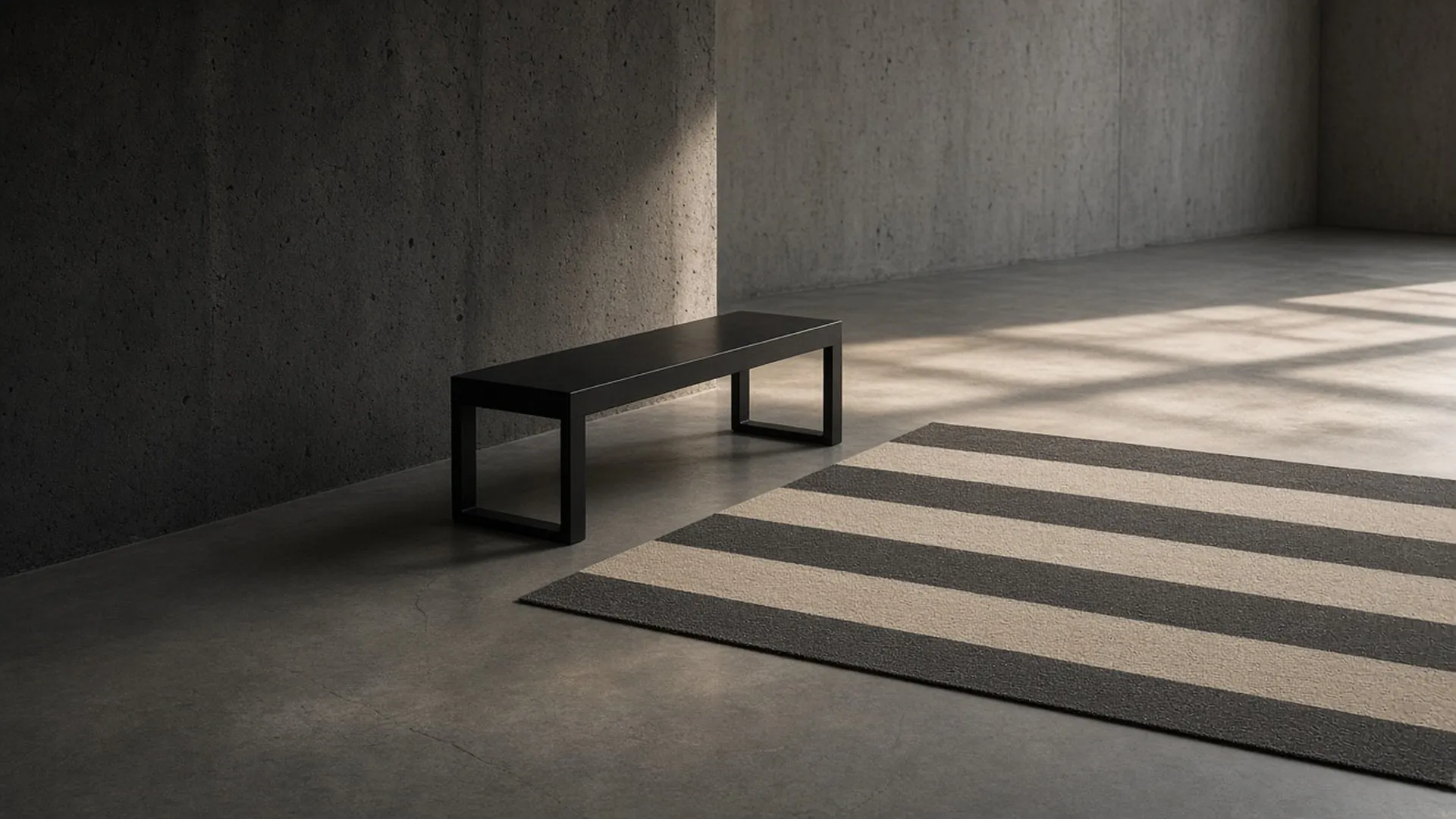
Flatweave rugs, explained
Kilims, dhurries, and rugs with no pile.
Disclosure: We may earn a commission if you buy through links on this page. It does not change our guidance. Affiliate Disclosure
No pile
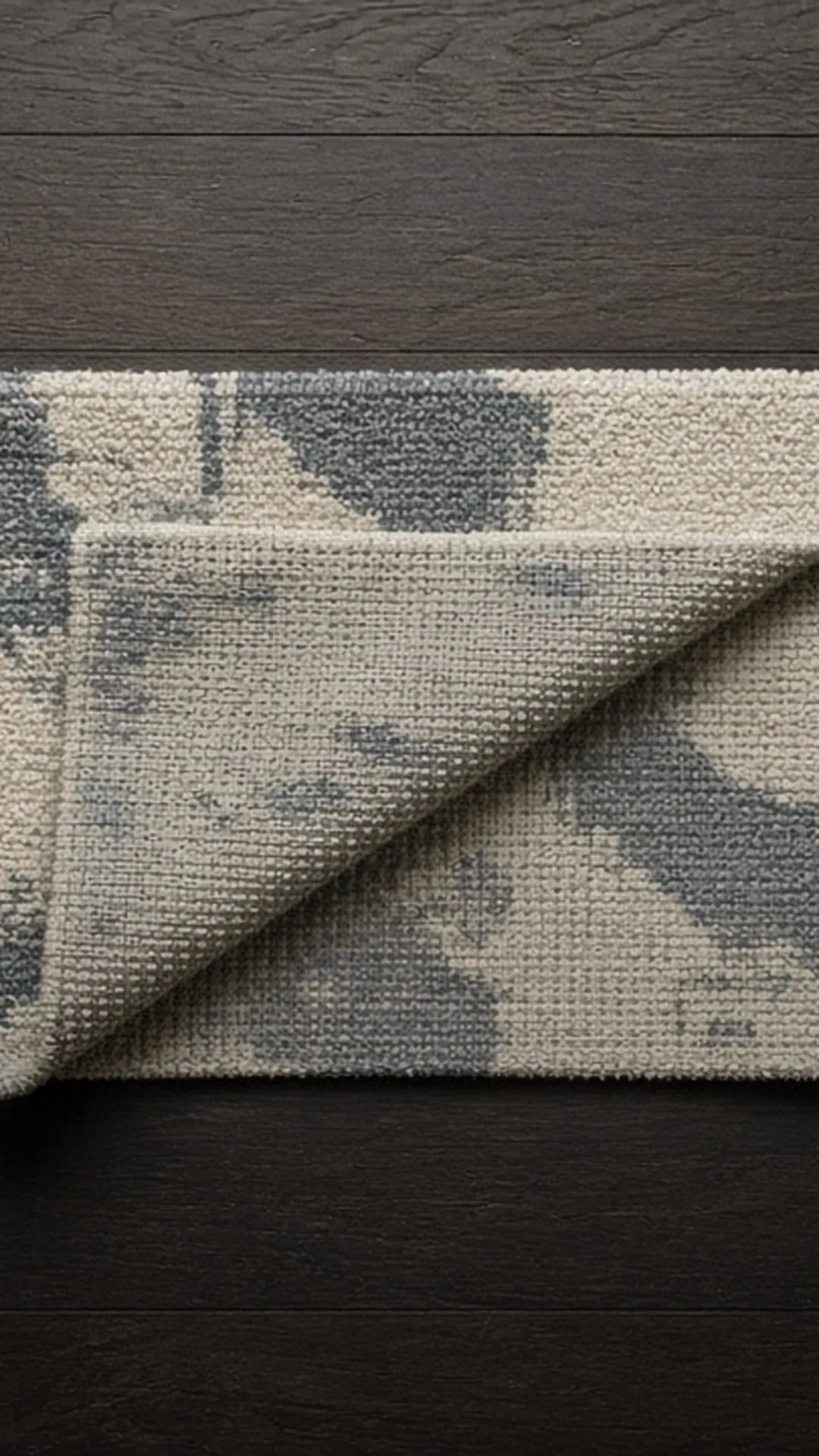
A flatweave rug has no pile. Its surface is the weave itself, not cut yarn ends standing up from a foundation.
Kilim, by structure
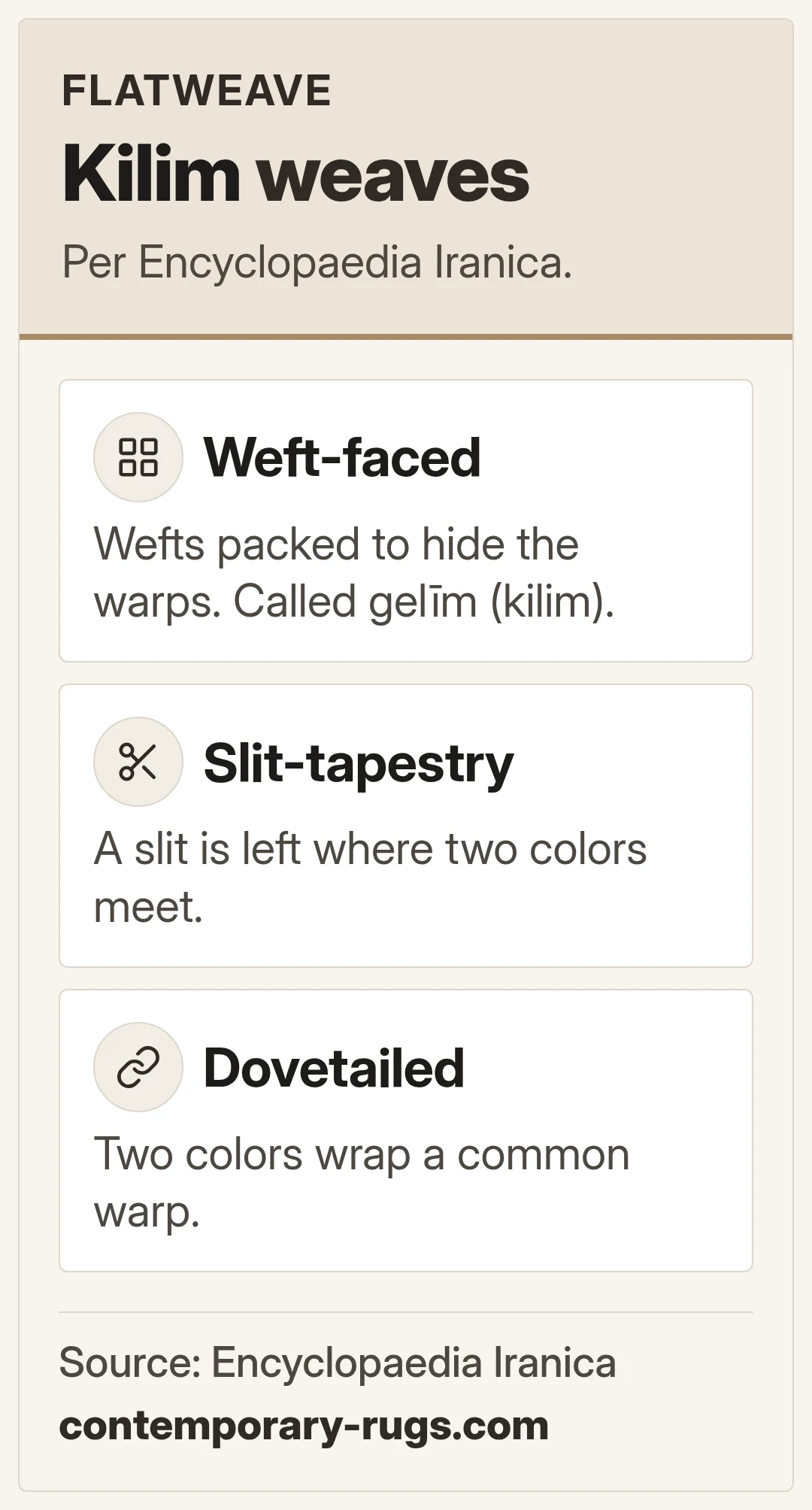
Encyclopaedia Iranica says that if the wefts are tightly packed so that the warps are hidden or almost hidden, the structure is called weft-faced plain weave, or tapestry weave. It says: "In Persia this structure is called gelīm (Turk. kilim)."
Slits and dovetails
Iranica says that where discontinuous wefts are turned back at the boundary between two colors, a slit is left between adjacent warps; this is called slit-tapestry weave. It says the boundary can also be dovetailed, with wefts from two color areas wrapped around a common warp.
Dhurrie
Dhurrie is a name used for a flat-woven rug. We have no source here for its history or structure, so we do not give one.
Looms and seams
Iranica says the looms used for flat-woven carpets are of the same basic types as those used for pile carpets. It says a flat-woven carpet made on a narrow loom can be woven in two lengths stitched together, leaving a seam down the middle.
Care
CCI says rugs can be maintained by regular vacuuming with a standard vacuum cleaner head and a low level of suction, watching for loose threads and the fringe. Follow the maker's care instructions too.
FAQ
General information only. Keep walking paths clear. The CDC's home fall prevention checklist for older adults says to remove throw rugs, or use double-sided tape or a non-slip backing so the rugs won't slip. Follow the maker's label and instructions for any rug, rug pad, tape, or cleaning product. If someone falls and is hurt, get medical help. In an emergency, call 911.
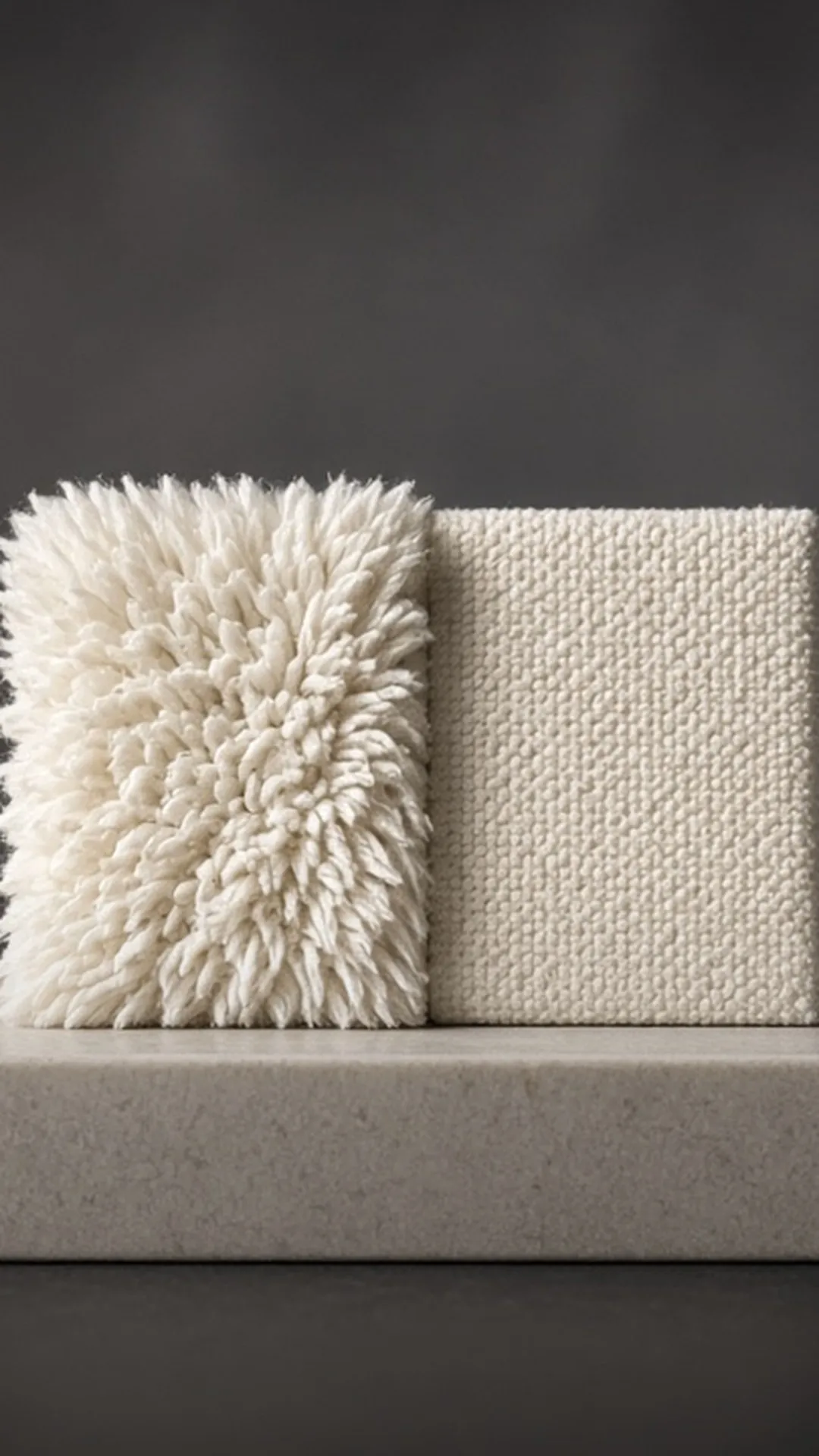
Next: hand-knotted rugs
Warps, wefts, and knots.
