
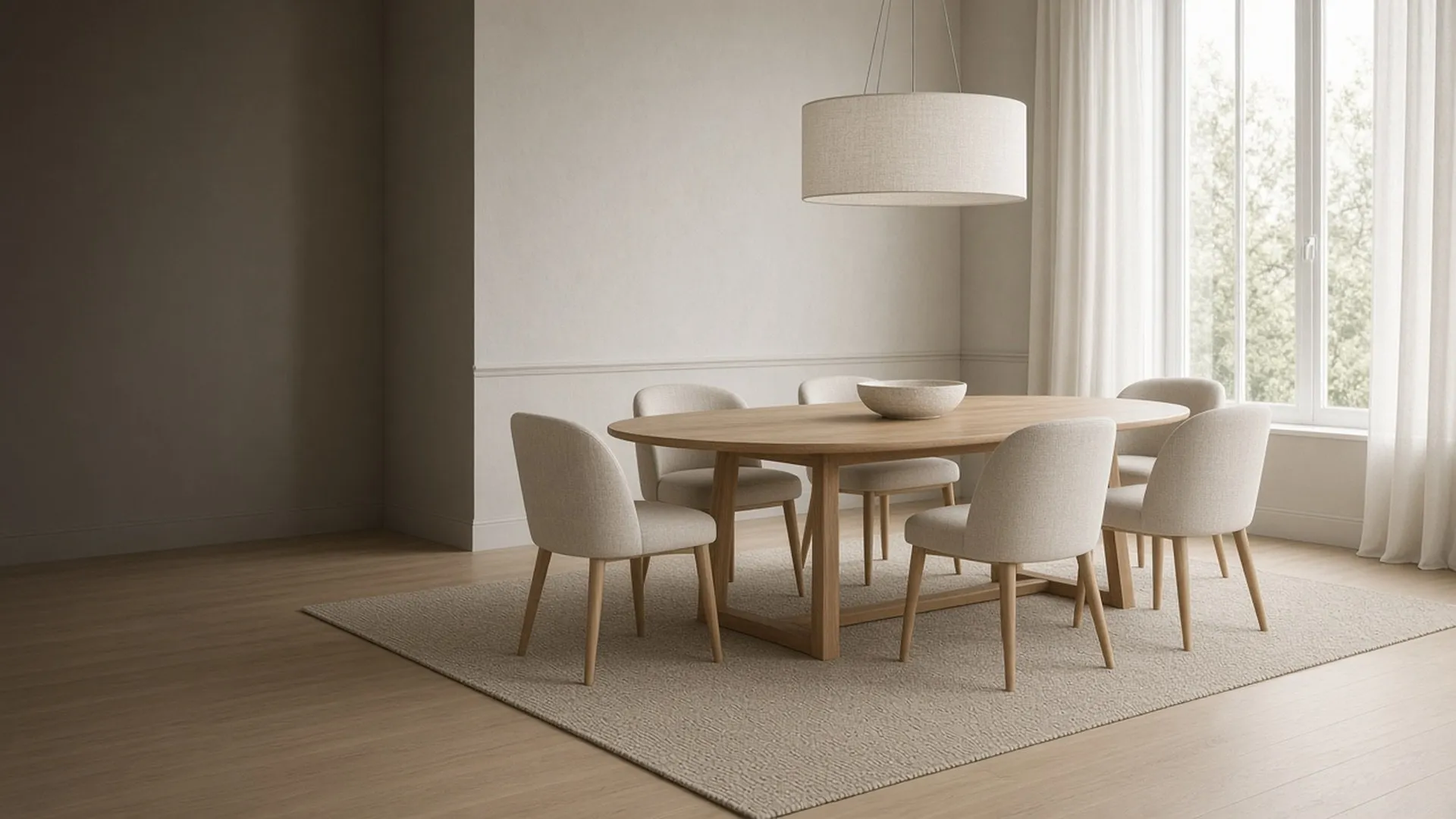
Rug sizes, explained
Measure first, and why size also changes the federal test.
Disclosure: We may earn a commission if you buy through links on this page. It does not change our guidance. Affiliate Disclosure
Why we do not publish a size chart
Makers set the sizes they sell. We have no neutral source for a standard list of rug sizes, so we do not give one. Read the dimensions the maker lists for each rug.
What to measure
Measure the floor area you want the rug to cover, the walking paths around it, and any door that has to open over it.
Keep paths clear
The CDC's home fall prevention checklist for older adults says that if you have to walk around furniture in a room, "Ask someone to move the furniture so your path is clear." Size and placement work together on that.
Size changes the federal test
The CPSC says small carpets and rugs are those with no dimension greater than 6 ft. and an area not greater than 24 sq. ft.; they come under 16 CFR Part 1631. Carpets and rugs with one dimension greater than 6 ft. and a surface area greater than 24 sq. ft. come under 16 CFR Part 1630. The CPSC says different requirements apply depending on size.
Runners and other shapes
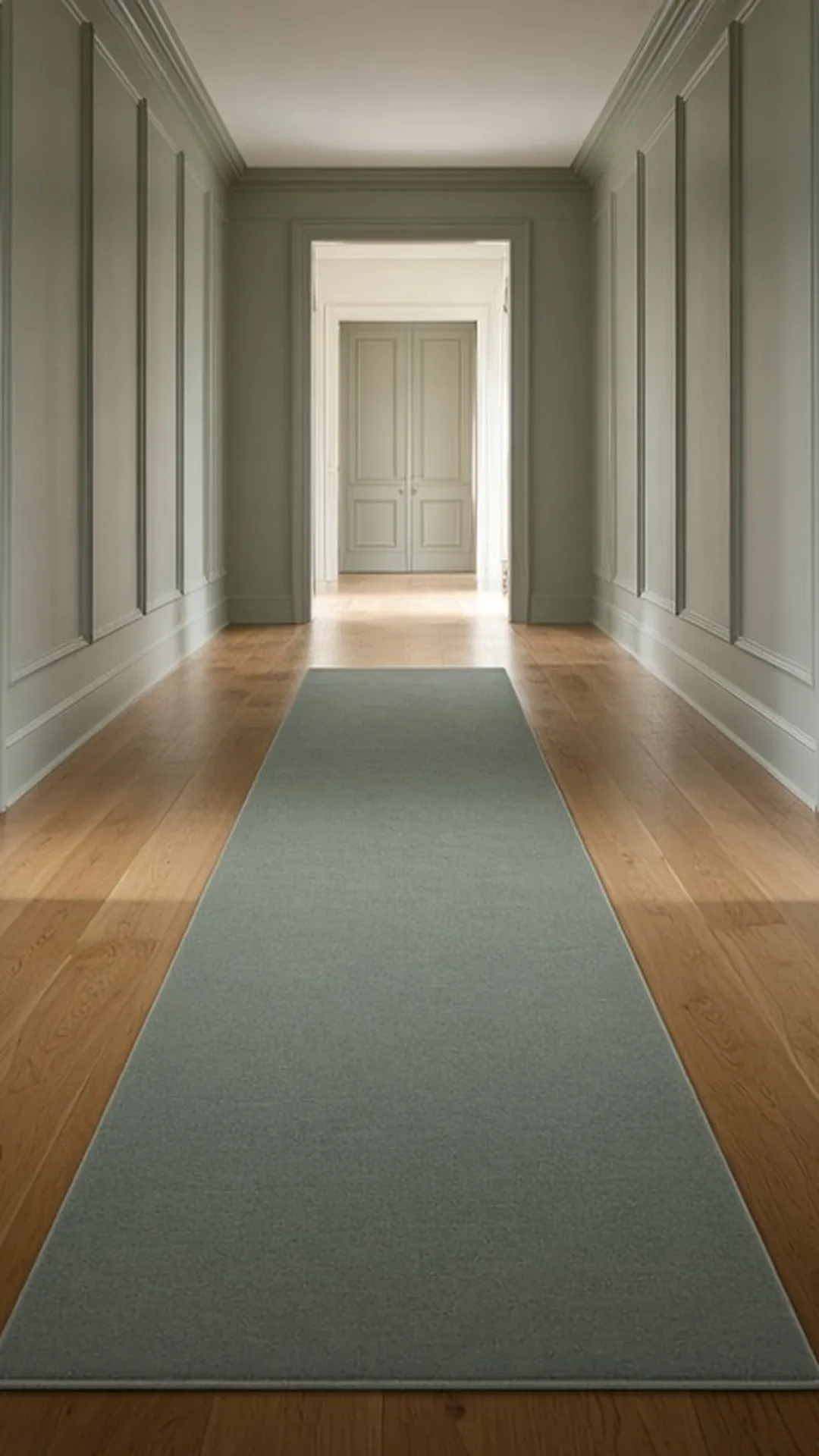
A runner is a long, narrow rug. Round and irregular rugs are measured by their own dimensions. For any shape, the maker's listed dimensions are the starting point.
Sources: CPSC, Flammable Fabrics Act (FFA) business guidance; CDC STEADI, Check for Safety: A Home Fall Prevention Checklist for Older Adults (PDF).
FAQ
General information only. Keep walking paths clear. The CDC's home fall prevention checklist for older adults says to remove throw rugs, or use double-sided tape or a non-slip backing so the rugs won't slip. Follow the maker's label and instructions for any rug, rug pad, tape, or cleaning product. If someone falls and is hurt, get medical help. In an emergency, call 911.
Next: rug placement
Paths, furniture, sunlight.
